
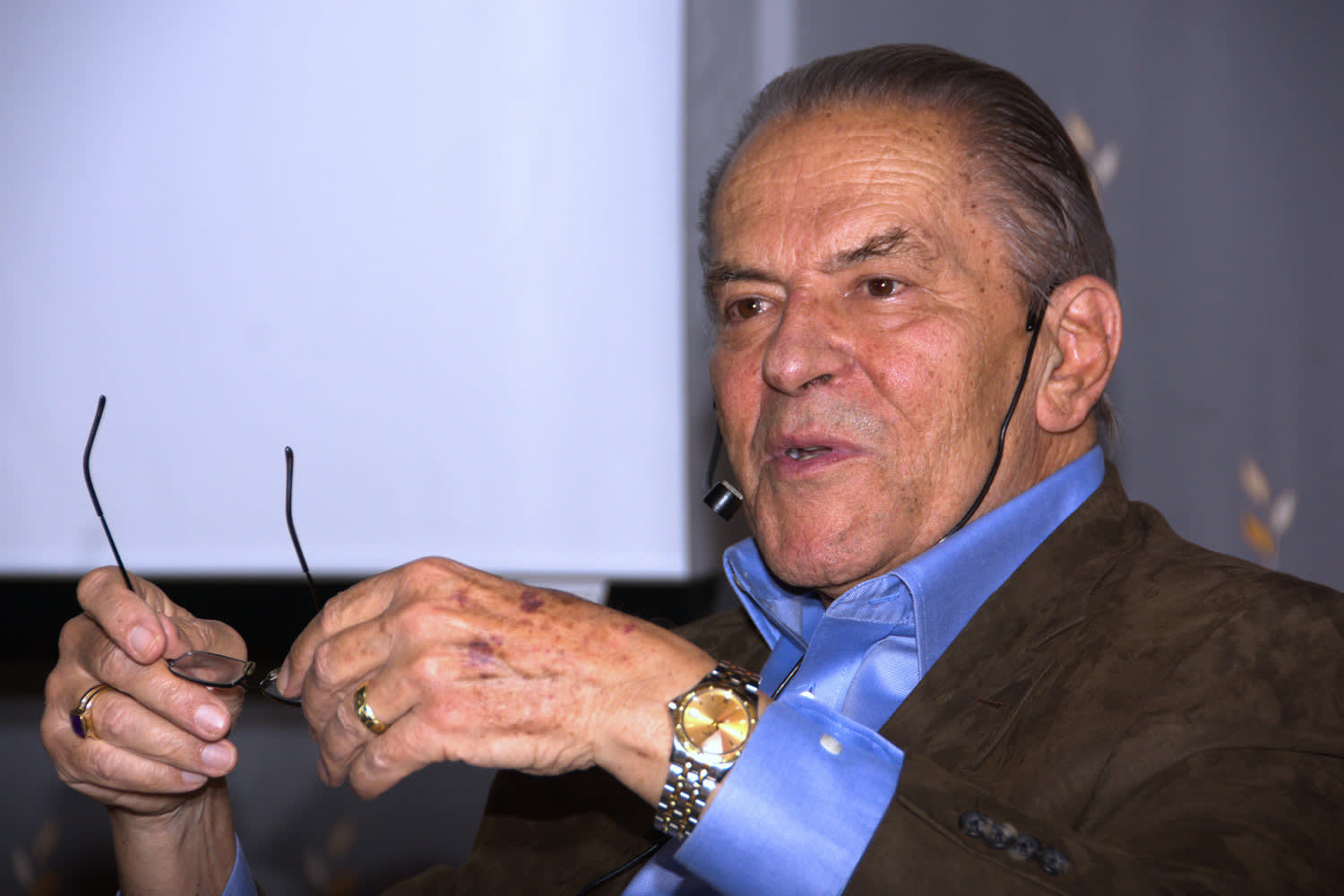
"LSD is a catalyst or amplifier of mental processes. If used properly, it could become something like a microscope or a telescope for psychotherapy."
— Stanislav Grof, pioneer of psychedelic therapy
Link to registration..
Training Modules - first year
Training Modules - second year
Learning Hub
Organizational Framework of the Training Program
A unique opportunity opens for enrollment in a two-year training program with extended clinical training (minimum three years) for psychotherapists and other professionals in helping professions. The program will focus on counseling and psychotherapeutic support for the preparation and integration of experiences in non-ordinary states of consciousness (NOSC), including clients with psychedelic experiences and supporting clients in NOSC therapies. The training will be conducted under the auspices of the Ljubljana branch of Sigmund Freud University in Vienna (SFU Ljubljana) in collaboration with the Velosimed Center.
Zoom video of free informational seminar:
In counseling and psychotherapeutic work, we are increasingly encountering clients who seek either the healing of psychological wounds or personal and spiritual growth through workshops, methods, and techniques that facilitate experiences in non-ordinary states of consciousness (NOSC). In some cases, clients seek work with NOSC as a complement to psychotherapy, while in others they need support in integrating experiences they have undergone in such states after encountering facilitators who were unable to provide them with adequate guidance or support. The integration of profound transformative experiences in NOSC can take weeks, months, or even longer.
Training for professionals that focuses on supporting clients with NOSC experiences and on an informed understanding of the use of psychoactive substances (PAS) includes understanding the nature of experiences in NOSC, the characteristics of high-quality therapeutic work in such states, and the development of a specialized set of counseling and psychotherapeutic skills for preparation for the experience and for the integration of NOSC experiences. The program also offers key knowledge and techniques for helping individuals who find themselves in a so-called “spiritual emergency.” This occurs when a person undergoes a deeply transformative event that may be accompanied by intense feelings of loss of identity, anxiety, confusion, or a sense of psychological disintegration. In such moments, appropriate support can prevent the crisis from becoming pathological or destructive and can redirect it into an opportunity for growth, understanding, and integration.
Participants will gain insight into the cultural, epistemological, and anthropological dimensions of consciousness, healing, and transformative experience, including ritual and cross-cultural practices that have long shaped non-ordinary states of consciousness (NOSC). The training also introduces the major theoretical contributions of Stanislav Grof, whose expanded cartography of the psyche and decades of research into holotropic states have significantly influenced contemporary transpersonal approaches to healing, psychological transformation, and spiritual emergence.
Participants will explore a transpersonal understanding of the psyche that is informed both by Grof’s theoretical model and by current developments on the field and findings in neuroscience. They will become familiar with a range of therapeutic modalities used in work with NOSC, including the practical framework of holotropic breathwork (Grof breathwork) as a non-pharmacological method for accessing and supporting deep self-exploration, emotional processing, and transformation. In addition, they will learn how to prepare and integrate profoundly transformative NOSC processes in a safe, ethical, and clinically responsible way, so that they can support clients on their path of healing, self-discovery, and personal or spiritual growth.
Given the growing concerns surrounding the use of psychedelic substances as one possible gateway to NOSC, the training includes a dedicated module on psychedelic subcultures and contemporary trends in psychedelic use. Participants will develop the ability to help clients make responsible, informed, and conscious decisions about engaging in NOSC work, and to assess when such work may be inappropriate, contraindicated, or require additional caution and preparation.
The primary goals are for participants, upon completing the training, to:
- Integrate advanced theoretical and practical knowledge and skills in the field of therapies in NOSC, in a way that respects clients' experiences while ensuring professional and responsible support throughout the therapeutic process, backed by modern scientific findings and empirically supported therapeutic approaches.
- Develop the ability to support clients in any form of therapy within NOSC, specifically in preparation for and/or integration of NOSC experiences.
- Cultivate the ability to provide support to clients undergoing a spiritual crisis.
Additionally, the purpose of the training is to:
- Raise the level of quality and safety in counseling and therapeutic work with NOSC;
- Create a network of therapists skilled in supporting clients with NOSC experiences;
- Contribute to the development of high-quality therapeutic standards in counseling and therapeutic work with NOSC through best practices.
Total Training Hours and Minimum Duration
- in the first year: 273 hours
-
in the second year: 523 hours
Total: 796 hours.
Although the program consists of two academic years of coursework, its overall completion typically spans a minimum of three years.
Quisque facilisis non augue nec condimentum. Integer varius vitae nisl et volutpat. Nullam sed hendrerit urna. Pellentesque sed tincidunt turpis. Sed sodales, nisi ac malesuada volutpat, nisl nibh commodo tellus, non ornare lacus mi hendrerit felis. Vestibulum ante ipsum primis in faucibus orci luctus et ultrices posuere cubilia curae; Maecenas tristique mi nec ultrices vulputate. Cras aliquet mollis quam sed pulvinar. Aliquam vestibulum leo sit amet odio venenatis, non ultrices erat blandit. Duis feugiat tellus quis turpis elementum rutrum. Fusce iaculis, tellus ut dictum rutrum, augue quam lacinia velit, sed mollis libero magna auctor tortor. Sed orci justo, bibendum nec purus sit amet, laoreet tristique ipsum.
Evaluation of the Training Program
Upon successful completion of the training, participants will receive a certificate from SFU Ljubljana confirming their participation in the program Supportive Counseling and Psychotherapeutic Work with Non-Ordinary States of Consciousness, the total number of completed hours (796 hours), and that they are trained and prepared to serve as sitters/facilitators in NOSC therapies in accordance with the program’s ethical and clinical guidelines.
Training structure (brief overview)
First year – laying the foundations for work in NSZ
Second year

Training Content
The program is built on four main pillars:
- Theory:
Seminars and exercises to provide a strong theoretical foundation.
- Practice:
Small group sessions where participants practice acquired techniques and methods.
- Supervision:
Both individual and group supervision to ensure professional growth and skill refinement.
- Fieldwork: Real-life application through support and outreach program.
- Final Integration: Culmination of theoretical and experiential learning presented in a workshop format.
- Personal Experience:
- Participants can partially choose their modes of personal NOSC experiences.
- Attendance at at least five Holotropic Breathwork workshop / psychedelic therapies and the final integration workshop at the end of each study year is mandatory.
Holotropic Breathwork workshops provide an experience of the transformative potential of NOSC, offering a unique opportunity to deepen personal exploration of these states. They also provide valuable insight into safe and responsible work with clients in NOSC. Holotropic Breathwork is a legal method with over 50 years of practice, facilitating safe entry into deep, transformative NOSC. In a safe and supportive group environment, participants explore deeper layers of consciousness and personal development.

Main Thematic Modules of the Training Program
The content of the training program follows key guidelines, emphasizing the importance of therapists operating in compliance with legal and ethical standards, ensuring a safe and supportive environment, and assisting clients in the preparation, experience, and integration of NOSC in a way that fosters their personal growth and mental well-being. The main thematic modules of the training include:
Detailed Content and Thematic Modules of the Training Program
- Theoretical Framework for Therapies in NOSC:
- Introduction to scientifically grounded methods for accessing and working with NOSC to enhance therapeutic efficacy.
- Foundations of transpersonal psychology and personality typology for dynamic, process-oriented practice.
- Grof's theory of transcending ego-centered consciousness and the spiritual, mystical, and transcendent dimensions of human experience.
- Jungian theory of the unconscious, collective psyche, and archetypes. Practice of active imagination and work with the Shadow.
- Neuroscientific theories and practices of trauma and neuroplasticity.
- Cultural and societal dimensions of consciousness, emphasizing cross-cultural psychiatric approaches and anthropological perspectives on ritual and collective consciousness, including shamanism, neo-shamanism, and contemporary transpersonal practices.
This module broadens participants’ understanding of consciousness beyond Western psychological frameworks.
- Knowledge of Psychoactive Substances (PAS) and Their Effects:
- In-depth understanding of pharmacological properties, effects on the brain and body, and the potential benefits and risks of various PAS.
- Differentiating between PAS to provide appropriate guidance to clients regarding diverse NOSC experiences.
- Therapeutic and Communication Skills with Support Mechanisms:
- Developing communication skills such as “holding space,” neutral and empathetic presence, and creating a therapeutic trance.
- Bodywork, music, and other tools for sensitive and empathetic client care.
- Mastery of exploratory dialogue, non-judgmental support, and building a strong therapeutic relationship to safely integrate clients' NOSC experiences.
- Addressing disruptions in the therapeutic relationship effectively.
- Preparation and Guidance for NOSC Work:
- Assessing clients' readiness, considering context, intentions, expectations, and goals to minimize risks and optimize outcomes.
- Harm Reduction Strategies:
- Emphasizing safe practices in NOSC work and facilitating clients through spiritual crises.
- Educating clients on potential risks and how to mitigate them.
- Integration of NOSC Experiences:
- Helping clients process and reflect on NOSC experiences.
- Techniques for integrating new insights into daily life and addressing potential psychological or emotional challenges following NOSC experiences.
- Ethical and Legal Aspects:
- Adhering to the highest standards for therapeutic practice in NOSC settings.
- Understanding indications and contraindications for NOSC work, considering clients' individual needs, health history, and potential risks.
- Awareness of legal frameworks governing the use of prohibited substances to inform clients about these considerations if they pursue self-exploration.
- Research Knowledge:
- Keeping up with the latest research and clinical studies on NOSC and associated therapeutic methods.
- Effectively communicating research findings to clients in a clear and applicable manner.
- Supervision and Practical Experience:
- Supervised practical work under experienced professionals.
- Case-based learning and reflection on personal experiences in NOSC.

Scope, Methodology, and Obligations
Scope:
During the two-year training program, totaling 796 hours, participants are required to fulfill the following obligations:
First year (273 hours):
- Introductory Meeting: 5 hours.
- Eight One-Day Seminars: 42 hours.
- Five Weekend Seminars: 85 hours.
- Seven Group Supervision Sessions: 21 hours.
- Eight Individual Supervision Sessions: 8 hours.
- At Least Six Study Triad Meetings: 18 hours.
- Harm reduction, DrogArt Support Team: 8 hours.
- One Holotropic Breathwork Workshop (Format 2+2): 32 hours.
- One Additional Workshop:
- Either a Holotropic Breathwork Workshop (Format 1+1, 20 hours)
- Or an equivalent number of sessions in other NOSC therapies (e.g., hypnotherapy, EMDR, active imagination, neuro-coaching, meditation).
- Final Meeting:
- Participants present their journey through training and integration process.
- Includes both theoretical and practical deepening in a Holotropic Breathwork workshop format, running from Thursday afternoon to Sunday afternoon, scheduled for May (34 hours).
- 4 modules from Thursday (starting at 17:00) to Sunday (ending around 14:00) (4 × 37 hours = 148 hours)
- 6 group meetings (18 hours)
- 4 group supervisions (4 × 3 hours = 12 hours)
-
5 individual supervisions (5 hours)
4 × mentored practice (4 × 32 hours) - 4 Holotropic Breathwork workshops or psychedelic therapy workshops (4 × 32 hours)
- 50 hours of independent study (50 hours)
- Final meeting: participants present their journey through the training and their integration. In addition, there will be an opportunity to deepen both theoretical and practical knowledge. This will take place in a Holotropic Breathwork workshop format from Thursday afternoon to Sunday afternoon and will be held in May (34 hours).
Methodology:
The program will take place in a group setting with a minimum of 10 and a maximum of 20 participants through the following formats:
The multi-dimensional approach ensures comprehensive learning, skill development, and personal growth within a structured and supportive environment:
One-Day Seminars:
Dedicated to theory, practice, and contemporary topics in NOSC therapies. These seminars include case analyses, demonstrations, and practice of methods and techniques.
Exercises and Peer Intervision in Study Triads:
Participants are required to organize themselves into study triads (or quartets) and meet at least once every two months for a minimum of three academic hours. During these sessions, participants:
- Discuss theoretical content.
- Share experiences.
- Practice preparation, support, and integration methods and techniques.
- Prepare for personal NOSC experiences.
- Develop supervision questions.
- Conduct peer intervision and provide collegial support during training.
Modules will run from Thursday (starting at 17:00) to Sunday (ending at 14:00) and will include both theoretical and practical components of therapy in non-ordinary states of consciousness.
Personal Experience:
Participants must complete a required number of personal NOSC therapy experiences, including:
- At least five Holotropic Breathwork workshop /psychedelic therapies.
- Participation in the final integration workshop.
Additionally, it is recommended that participants engage in further personal experiences with a psychotherapist trained in supporting NOSC-related processes.
Supervision – Individual and Group:
Supervision sessions will take place every two months, as agreed with the supervisor, each group session lasting three academic hours. Participants are also required to complete individual supervision sessions during the training.
The objectives of supervision include:
- Continuous monitoring of participants' progress.
- Providing support for their work with clients.
- Supervision of practical work with clients.
- Consolidating acquired techniques.
- Supporting personal experiences related to therapeutic work (e.g., addressing personal aspects that may pose challenges in therapy).
Final Integration Workshop:
This will take place from Thursday to Sunday, structured as a Holotropic Breathwork integration workshop. The meeting will include:
- A mandatory personal presentation of the one-year training experience.
- Practicing different parts of NOSC therapy
- One Holotropic Breathwork session.
- Additional integration activities to consolidate theoretical and practical learning.
Location and Schedule of the Training Program
Location:
- Group Supervisions, Seminars, Modules, Holotropic Breathwork Workshops, and the Final Meeting will be held at:
- Velosimed Center, Kokra 72, Preddvor.
- SFU Ljubljana, Trubarjeva 65, Ljubljana or according to agreement with supervisor.
Exercises and peer supervisions in triads (or quartets) will take place at locations chosen by the training participants themselves, partially via Zoom if needed. Individual and group supervisions will be arranged in agreement with the supervisor.
Dates:
The exact dates will be determined in agreement with the participants.
One-day seminars will generally take place on Mondays or Wednesdays from 4:30 PM to 9:00 PM (6 academic hours) (to be finalized with participants after the first session).
Weekend seminars will take place on Fridays and Saturdays:
- Fridays from 3:45 PM to 8:30 PM (6 academic hours).
- Saturdays from 9:15 AM to 1:00 PM (5 academic hours) and from 2:00 PM to 6:30 PM (6 academic hours).
It will be possible to stay overnight from Friday to Saturday at the Velosimed center or nearby accommodations.
Conditions for Participation in the Training
Candidates eligible to enroll in the training program must meet one of the following criteria:
- Have completed training or training according to the criteria for an independent profession of psychotherapist in any psychotherapeutic approach, OR
- Be students/trainees undergoing psychotherapy training, who have completed at least 300 hours of theoretical content in psychotherapy, a minimum of 200 hours of psychotherapeutic practice under supervision, and at least 50 hours of personal therapy/learning experience, OR
- Be psychologists, psychiatrists, social workers, social pedagogues, physicians, pedagogues, school counselors, educators, or psychosocial counselors who have completed differential content in the field of psychotherapeutic propedeutics.
Candidates who meet these criteria can be accepted if they:
- Attend an introductory informational meeting and/or interview, where they are introduced to the program and training requirements,
- Submit an application for enrollment in the training program after the meeting or interview (following the instructions provided at the introductory meeting/interview).
Lecturers
Training Director:
Mojca Studen, MSc in Physics, Transpersonal Psychotherapist, CCHt, Supervisor
Lecturers:
- Mojca Studen, MSc in Physics, Psychotherapist, CCHt, Supervisor
- Assoc. Prof. Dr. Maja Petrović Šteger
- Mina Paš, MD, Integrative Psychotherapist
- Dr. Snežana Brumec, MSc in Economics
- Dr. Matej Černigoj, MSc in Psychology
- Tine Papič, Jungian Psychoanalyst, Supervisor
- dr. Regina U. Hess (NL/PT)
Enrollment Fee
Second year:
The fee for the second year is €1,960, provided that at least 12 participants enroll. If the group has fewer than 12 participants, the fee is €2,350.
The fee includes:
– the introductory one-day seminar,
– four intensive modules,
– the final four-day meeting,
– accommodation and meals during the modules and the final meeting.
The costs of individual and group supervision are not included in the fee. Participants arrange and pay for supervision directly with their supervisor. The fee for supervision is €70 per supervision hour.
Participants also cover the costs of their required personal experience themselves, such as participation in appropriate workshops or therapies involving non-ordinary states of consciousness.